SUPPORTING OUR NATURAL ECOSYSTEMS
Everything we do at Highland Park stems from our home in Orkney, where the presence of nature is everywhere. We’re actively engaged in the protection of Orkney’s unique natural habitats - from the responsible extraction, reduction and restoration of peat to supporting local marine based research in partnership with Project Seagrass.
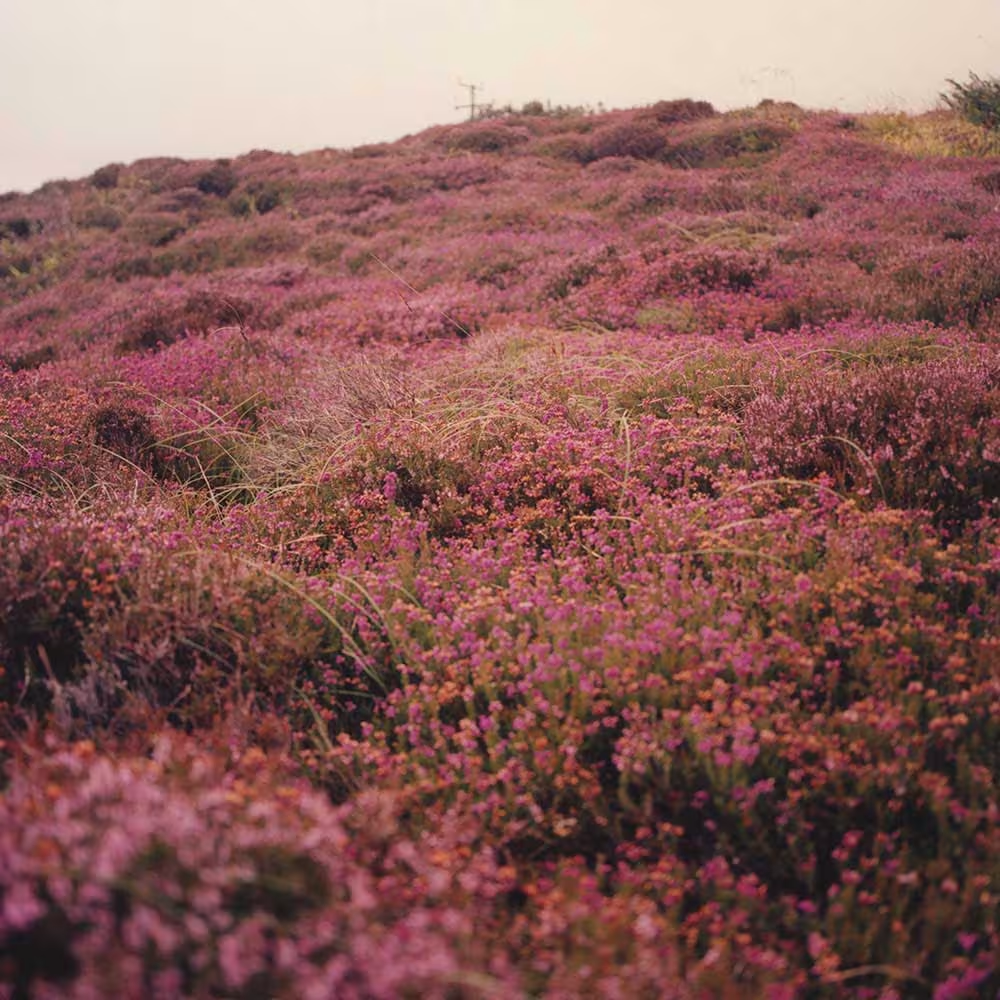
Highland Park is the only distillery in the world to use Orkney heathered peat, which we source from an area of Hobbister Moor that we own and manage (under licence from Orkney Islands Council). Our neighbours on Hobbister Nature Reserve include red-listed species such as Hen Harrier and Curlew, and we lease part of the area to RSPB to help protect the natural habitats of this local wildlife. We also work closely with NatureScot and RSPB to develop protection plans, which aim to enhance the unique ecology of this truly special place.
Delving a bit deeper, we have an ongoing partnership with Project Seagrass and Heriot-Watt University Orkney (HWUO), where we support their important research to catalogue and map the fascinating biodiversity within Orkney’s celebrated seagrass meadows.
Why have we partnered with Project Seagrass?
- The seas that surround and support life here in Orkney provide many direct benefits to our island community - including employment, nourishment, and sources of power.
- Orkney’s seas also sustain an incredibly rich and biodiverse marine ecosystem. So, in 2022, we set out to establish a partnership that would protect and promote the unique marine environment of Orkney.
- Today, we support marine conservation charity Project Seagrass and their work with Heriot-Watt University Orkney, to map the expanse of Orkney’s abundant seagrass meadows and catalogue the vibrant ecosystems that they support.
What is seagrass?
- Seagrass is the only flowering plant that can live underwater. Like other plants, it has roots and it flowers during the spring and summer seasons, but it is pollinated by crabs, shrimp and the general ebb and flow of tides. Underwater seagrass meadows require high levels of light to grow and are therefore found in relatively shallow and calm waters.
- As seagrass meadows expand, they spread out across the seabed and their roots stabilise the sediment, while their dense green leaves create a complex habitat that supports a wealth of wildlife including the provision of vital spawning grounds and nursery habitats for young fish.
- Current estimates suggest that globally we lose an area of seagrass around the same size as two football pitches every hour; this is due to natural and human threats including pollution and physical disturbance from coastal development, chain moorings, dredging and unregulated fishing. However, restorative intervention projects are proving successful with seeds harvested from thriving meadows being carefully processed and used for targeted transplanting and growth recovery of degraded meadows.
- These types of projects, along with meadow habitat mapping, meadow conservation and community engagement – or ‘citizen science’ projects – have been spearheaded since 2013 by Project Seagrass.
- Orkney’s shores are home to vast and vibrant seagrass meadows, which are bursting with marine life. They set a global example of how healthy seagrass should look, and their seeds are also helping to replenish degraded meadows elsewhere in the UK.
What research work have we helped to support to date?
Year 1 Research
During the first year of our partnership with Project Seagrass in 2022, our funding helped to support research carried out by Katy Waring – a Senior Conservation Officer at Project Seagrass. Katy set out to develop methods to assess the ecosystem services that seagrass provides to marine life in Orkney. This involved a survey of seagrass meadows across Orkney’s shores via boat, as well as the use of Baited Remote Underwater Videos (BRUVS) to collect data on fish species.
Year 1 Outputs
This research provided evidence of the vital ecosystem service that Orcadian seagrass plays in providing habitats and spawning grounds to a variety of marine species, including Pollock and Atlantic Cod. Katy has since gone on to deliver seagrass education programmes in Orkney and has highlighted the importance of community engagement and awareness around the importance of these local seagrass meadows and how they can be further protected.
Year 2 Research
In 2023, we helped to support research undertaken by Oliver Lee – a graduate from Heriot-Watt University and an avid scuba diver, who is keen to combine his interests in marine science and diving to educate others about marine conservation. Oliver conducted an ecological study of marine ecosystems in Orkney, to explore the different fish and fauna species present in seagrass meadows.
This involved initial mapping of seagrass meadows across the Orkney islands using a drone. Oliver and his team of divers then set out to each location to record the marine life that exists in the seagrass meadows. The findings from Oliver’s research highlight the abundance of fish and fauna species that inhabit Orkney’s seagrass meadows, further emphasising the significant influence that these seagrass meadows have.
Year 2 Outputs
As Orkney’s seagrass meadows have never been thoroughly mapped until now, very little has been known about their locations and the marine ecosystems that they support. Oliver’s research has contributed to the cataloguing of seagrass meadows in Orkney’s shores, helping to provide accurate and up-to-date information which will help to support the preservation of these habitats in future.
Year 3 Research
In the third year of our partnership, our funding supported the research work of Emily Powers. A keen snorkeller and nature photographer, Emily is a graduate from Heriot-Watt University who has previously volunteered to support seagrass restoration. In 2024, Emily carried out an exploration into the variances of biodiversity in seagrass beds around Orkney. This involved data collection and analysis to assess the diversity of seagrass beds in Orkney, and how this may be impacted by abiotic factors (such as seabed depth and tidal current flow).
Emily’s research showed that Orkney’s seagrass meadows are rich in biodiversity across the different sites that were examined – particularly those in proximity to high tidal ranges and stronger tidal streams.
Year 3 Outputs
Emily’s research has provided vital knowledge and insight to help inform the Orkney Islands Regional Marine Plan, which aims to support the sustainable management of Orkney’s marine environment, whilst safeguarding natural habitats and quality of life for Orkney communities.
“At Project Seagrass, we’re working hard to restore lost areas of seagrass around the UK. But a big part of seagrass revival includes protecting and celebrating what we already have. The seagrass meadows of Orkney are outstanding, many are healthy, beautiful, and bursting with life. The work we’re doing with the support of Highland Park is helping us to celebrate Orcadian meadows, bring them the attention they deserve and facilitate long-term community engaged protection and enhancement, whilst also supporting further science-led restoration around Scotland and the UK.”
Dr Leanne Cullen-Unsworth, CEO and Charity Co-Founder of Project Seagrass
“We are proud to support the vital research work that has been undertaken by Project Seagrass over the past two years to map and catalogue the abundant seagrass meadows that exist in the shores of our home in Orkney. We look forward to sharing the findings of this important research work whilst continuing to advocate awareness around these incredible ecosystems.”
Paul Condron, Brand Director, Highland Park